How to Choose the Right Hardwood Floor Finish: Oil vs. Water-Based
Site-finished floors live or die by the coating you choose. Here's how oil-modified and water-based polyurethanes really compare on look, durability, dry time, and indoor air quality.
The finish you put on a hardwood floor matters as much as the species you choose. It controls the color, the sheen, the dry time before you can move furniture back, and even the air your family breathes for the first few days after the job. The two finishes we recommend most often are oil-modified polyurethane and water-based polyurethane — and the right answer depends on the room.
The short version
- Oil-modified polyurethane: warm amber tone, slower dry, very durable, higher VOCs.
- Water-based polyurethane: clear, color-true finish, fast dry, much lower VOCs.
- Both can last 8–10+ years with normal residential wear when properly applied.
Oil-modified polyurethane
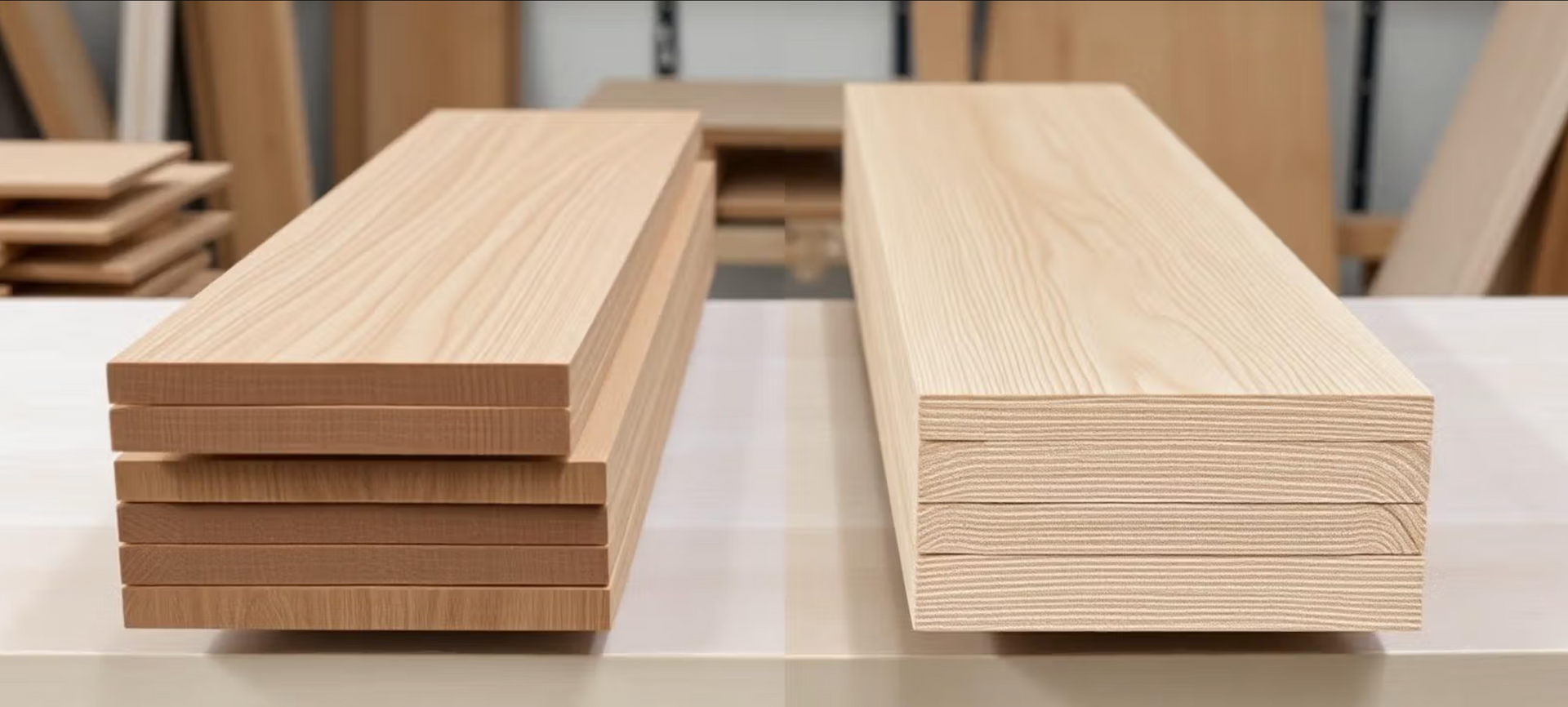
Oil-based finishes have been the workhorse of the industry for decades. They self-level beautifully, build film fast (usually 2–3 coats), and add a warm amber glow to oak that a lot of homeowners specifically want. The trade-off is dry time — typically 8–12 hours between coats and several days before the floor is ready for furniture — and stronger fumes during application.
The U.S. EPA publishes useful background on what those fumes actually are and why ventilation matters during finishing — see EPA: Volatile Organic Compounds' Impact on Indoor Air Quality.
Water-based polyurethane
Modern water-based finishes have closed the durability gap with oil and now dominate new installs in occupied homes. They dry in 2–4 hours, allow same-day recoats, and stay crystal-clear instead of ambering — which is exactly what you want under white oak, maple, or any whitewashed or natural-look floor. They're also significantly lower in VOCs, so families and pets can usually return to the space sooner.
How to pick
Choose oil-modified when you want a traditional warm look on red or white oak, the home will be unoccupied for several days, and you don't mind the smell. Choose water-based when you want a true-to-color finish, you need the family back in the house quickly, or you're working in a commercial space that can't shut down for a week.
For deeper guidance on installation and finish standards, the National Wood Flooring Association (NWFA) publishes the technical standards every reputable wood-floor contractor in North America follows.
Our recommendation
For most homes in Westchester and the broader LA area, we default to a premium water-based polyurethane in a satin or matte sheen — it shows less dust, doesn't yellow over time, and lets families get back to normal life fast. If you specifically want the amber warmth of a traditional finish, we'll talk through whether oil-modified makes sense for your project.