Indoor Humidity and Your Hardwood Floor: Why 30–50% RH Matters
Gaps in winter, cupping in summer — most hardwood "problems" are actually humidity problems. Here's the simple range to hold in your home, and how to hold it.
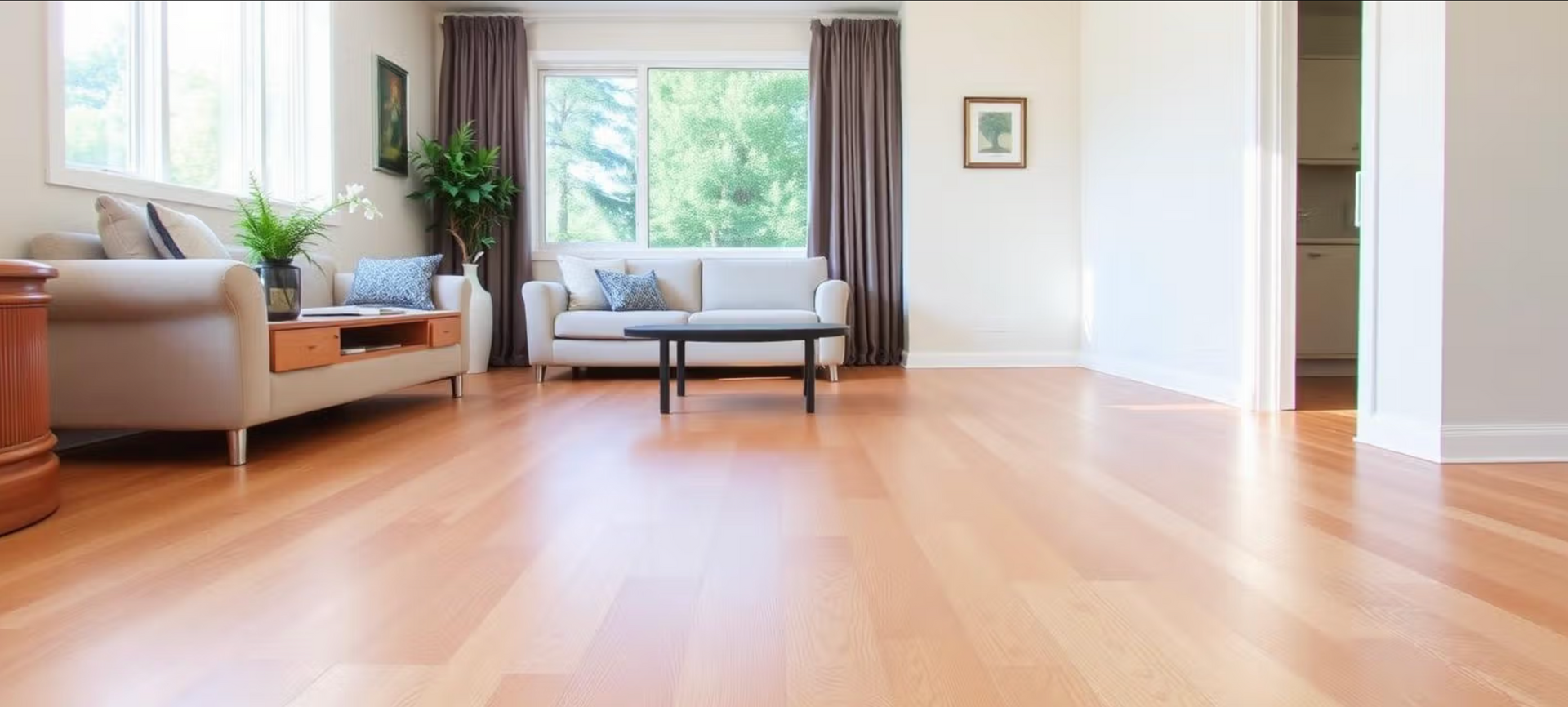
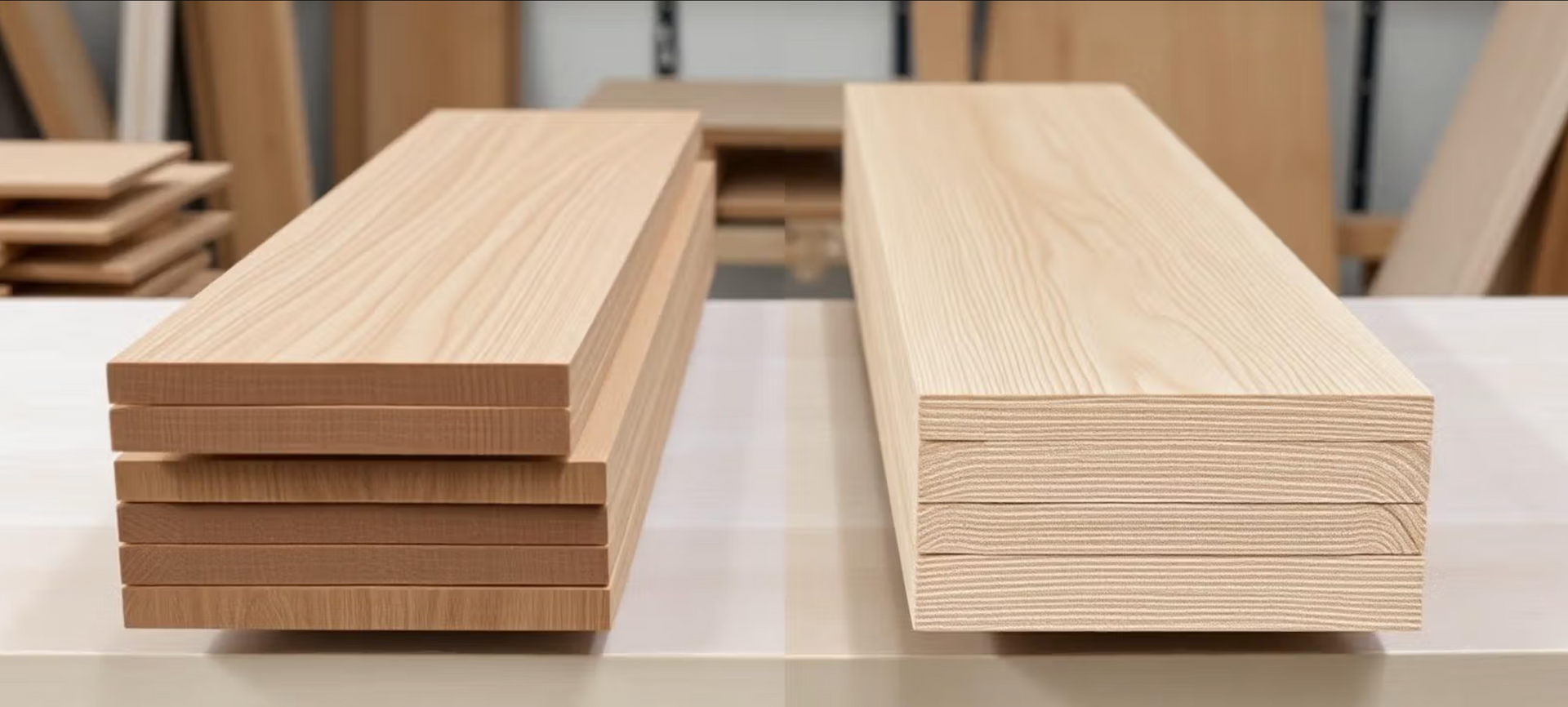
Wood is hygroscopic. That's a fancy way of saying it gives up moisture when the air is dry and absorbs moisture when the air is humid — and as it does, it shrinks and swells. Every solid and engineered floor we install is acclimated to do this within a narrow, predictable range. Step outside that range and you start seeing the symptoms homeowners panic about: hairline gaps between planks in winter, slightly cupped edges in late summer.
The target range
Most wood-flooring manufacturers and the NWFA install guidelines call for keeping interior conditions between roughly 60–80°F and 30–50% relative humidity year-round. That's also, conveniently, the same range that's comfortable for people and easier on the rest of your home's millwork, doors, and cabinetry. The EPA's Indoor Air Quality program recommends a similar humidity range for general indoor comfort and to limit mold growth.
What goes wrong outside that range
- Too dry (below ~25% RH): planks shrink, you see thin gaps along the seams. Usually a winter problem.
- Too humid (above ~55% RH): planks swell, edges lift slightly ("cupping"). Usually a summer or post-leak problem.
- Sudden swings: even short spikes can stress the bond line on engineered floors over time.
How to actually hold the range
- Buy a $15 digital hygrometer and put it in the main living area. You can't manage what you don't measure.
- In winter, run a whole-home or room humidifier when forced-air heat pulls levels below 30%.
- In summer, run the AC (which dehumidifies) or a standalone dehumidifier in basements and ground floors.
- Fix plumbing and roof leaks immediately. The fastest way to ruin a hardwood floor is sitting water.
- Use floor protectors under furniture and area rugs in rooms with very direct sunlight to even out UV exposure.
What's normal — and what isn't
Small seasonal gaps that appear in January and close back up by April are normal behavior for a real wood floor. They are not a defect. What isn't normal is permanent cupping, crowning, or planks that have visibly separated from the subfloor — those usually point to a moisture event (a leak, a slab without a proper vapor barrier, a humidifier left running too high) and they need a professional assessment, not just a recoat.
For the official installation and acclimation standards your contractor should be following, the NWFA technical resources are the industry reference.
The bottom line
A good hardwood floor isn't fragile — it just wants to live in the same comfortable, stable air you do. Keep the room between 30% and 50% relative humidity, fix water problems fast, and your floor will look great for decades.