
Blog
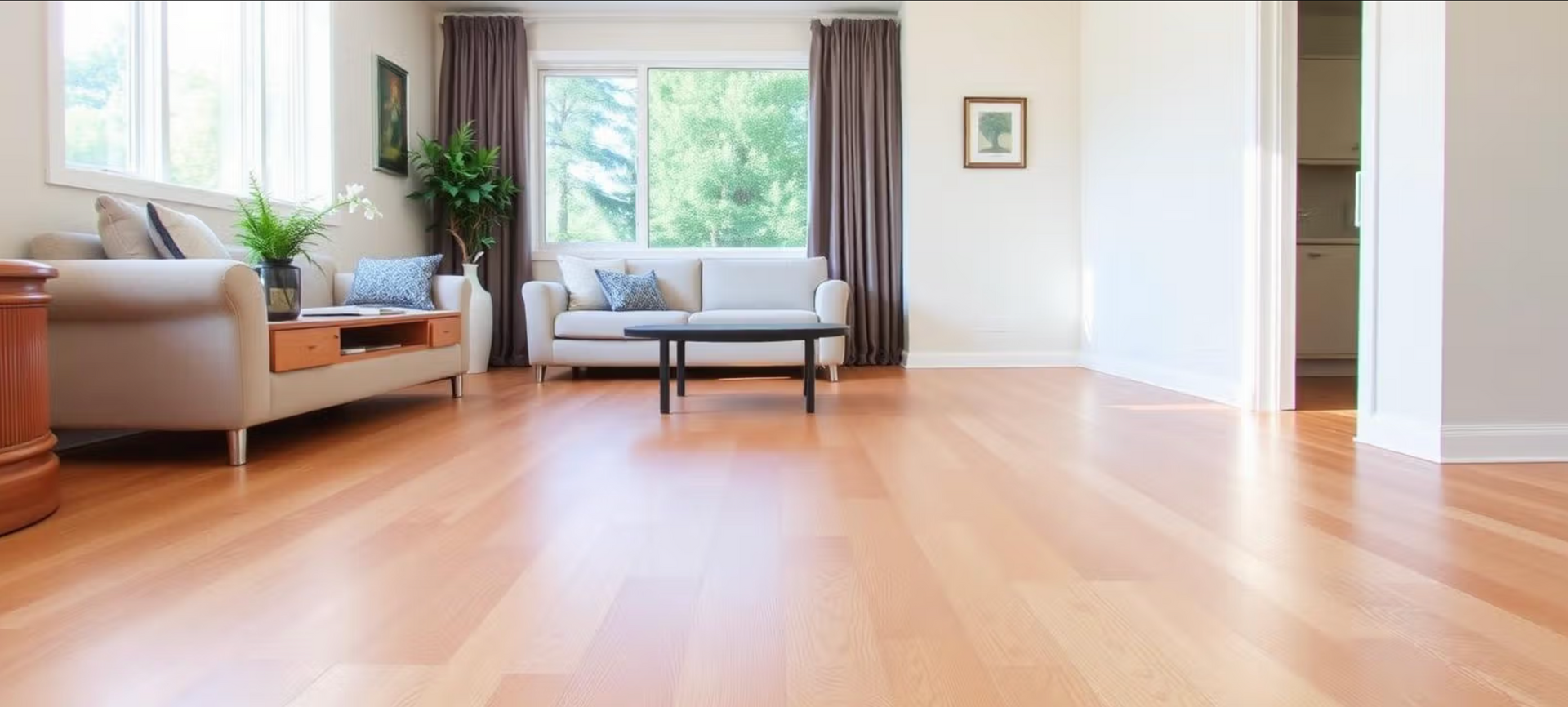
Site-finished floors live or die by the coating you choose. Here's how oil-modified and water-based polyurethanes really compare on look, durability, dry time, and indoor air quality. The finish you put on a hardwood floor matters as much as the species you choose. It controls the color, the sheen, the dry time before you can move furniture back, and even the air your family breathes for the first few days after the job. The two finishes we recommend most often are oil-modified polyurethane and water-based polyurethane — and the right answer depends on the room.
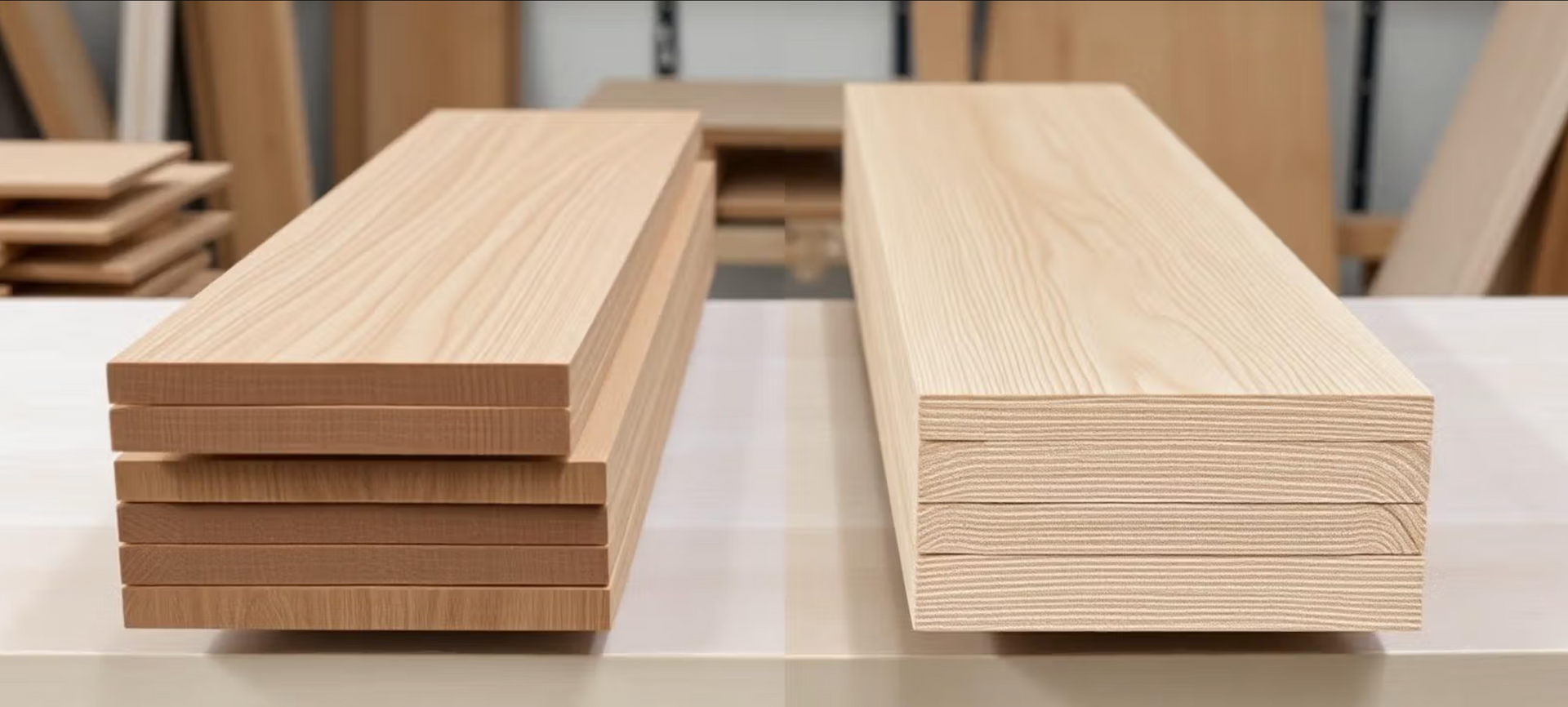
Both are real wood. The difference is in the construction — and that difference decides where you can install it, how it handles humidity, and how many times you can refinish it. One of the most common questions we get on estimates is some version of: "Is engineered hardwood real wood?" Yes — it absolutely is. The wear layer you see and walk on is the same sawn hardwood as a solid plank. What's different is what's underneath.
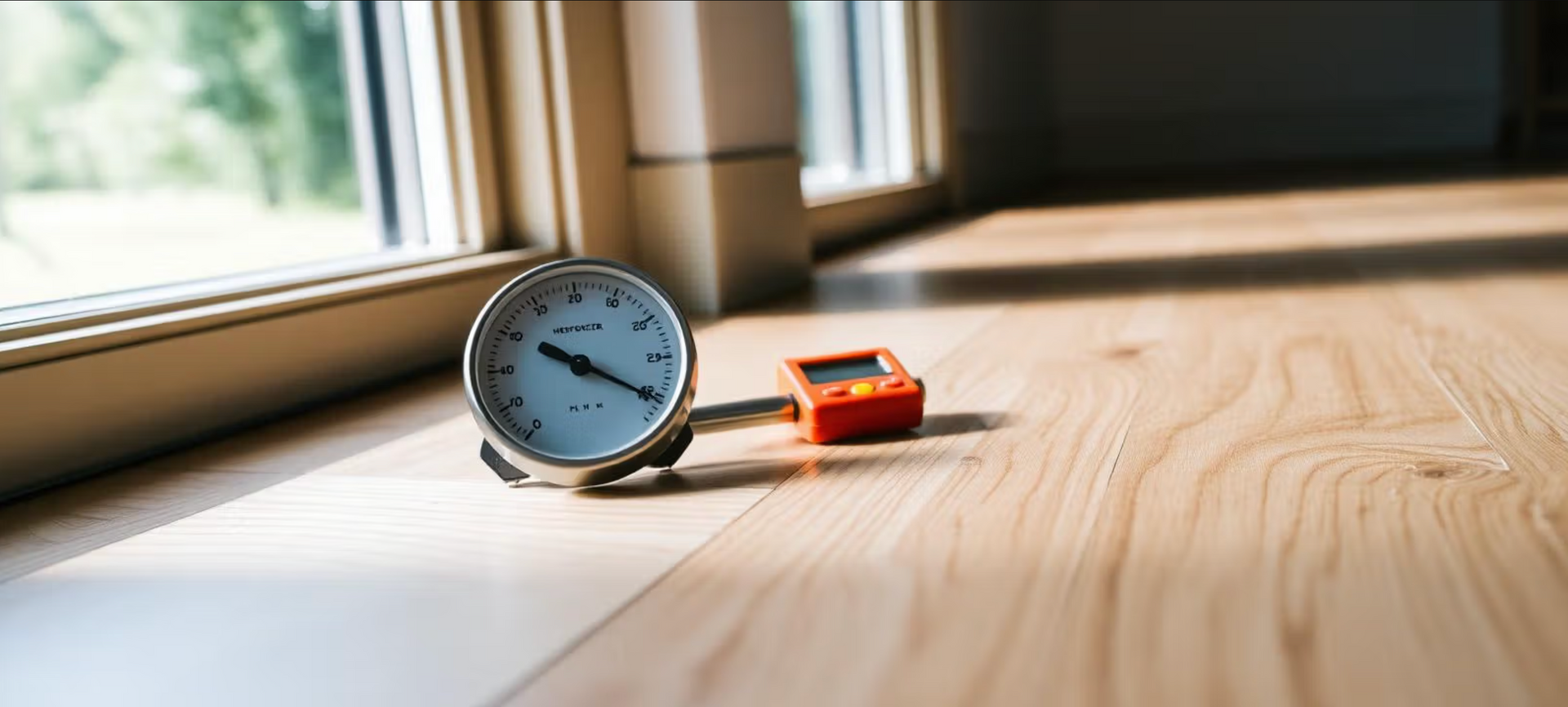
Gaps in winter, cupping in summer — most hardwood "problems" are actually humidity problems. Here's the simple range to hold in your home, and how to hold it. Wood is hygroscopic. That's a fancy way of saying it gives up moisture when the air is dry and absorbs moisture when the air is humid — and as it does, it shrinks and swells. Every solid and engineered floor we install is acclimated to do this within a narrow, predictable range. Step outside that range and you start seeing the symptoms homeowners panic about: hairline gaps between planks in winter, slightly cupped edges in late summer.